


- Supriya Tiwari
- Jan 21, 2022
- 2 min read

Inflammation, to put it in simple terms is the process that unfolds when our body is trying to fight the harm.
Harm can be in form of anything - Infection, trauma, cancer, autoimmunity, anything.
Inflammation is known to be associated with conditions like heart disease, PCOS, arthritis, even covid. This is why including food that can naturally aid in fighting inflammation should be an important consideration for all of us.
Here are my top 3 favorite anti-inflammatory foods that are versatile, delicious, and are easily available in our kitchens!
Berries
Like strawberries, blueberries, mulberries, blackberries, etc are rich sources of antioxidants and provide a powerful aid against inflammation. Adding them routinely to your diet can do wonders in preventing as well as improving the outcome of any chronic illnesses you are suffering from. In addition to antioxidants, berries are a rich source of multiple other micronutrients as well. They can be eaten with breakfast cereals, smoothies, or after meals in case you crave something sweet afterward.

Green leafy vegetables
Are packed with carotenes, vitamins & minerals. Many studies have identified their imminent role in fighting heart diseases and long-term inflammation. Leafy vegetables like spinach, kale, amaranthus can be consumed as a side dish, in salads, chilies, and soups.

Nuts and seeds
Almonds, walnuts, chia seeds, flax seeds are great sources of good fats and are nutrient-dense. They help in replenishing the damaged cells and suppress active inflammation. Sprinkle them over your salads, soups, or smoothies alike. They bring the crunch and taste to your meals. Additionally, they can also be soaked overnight and consumed in the mornings.

Hope this reminds you to include some of these inflammation-fighting foods in your diet. If you have any questions, drop them in the comment below or send me a mail across.
Stay healthy. Stay safe.
- Supriya Tiwari
- Dec 5, 2021
- 4 min read
Updated: Dec 6, 2021
Diabetes is one of the biggest epidemics of the 21st century, not just in developed countries anymore but also in developing nations. In fact, WHO estimates approximately 422 million people suffering from diabetes worldwide with India and China being the largest contributor to the world's diabetic burden.
I was diagnosed with type 2 diabetes back in the summer and it was heartbreaking. As someone who is constantly striving to lead a better lifestyle, eat healthy, and try to stay active as much as possible, this came as a bit of shock. Why me? I thought. The answer was clearly insulin resistance and what that essentially means is my body isn't responding to whatever insulin is being produced.
Why is that you ask? I have had PCOS for 12 years now. PCOS and insulin resistance go hand in hand. While staying active in general is very important to keep these lifestyle disorders at bay, as someone with PCOS, it mandates that you go out of your way to fight this insulin resistance. Plus the genetics matters. Ethnicity matters.
I am not sure I went out of my way though. These were my prime years of training, through med school, through residency, and to be honest, that stayed my priority and it's no surprise that as physicians we tend to ignore our own physical as well as our mental health throughout our training. It's what is expected of us.
If you are reading this as a med student or someone earlier in your training, I wish you would take away this one important message - Do not take your health for granted!
Coming back to the questions around type 2 diabetes - how am I managing it? What can you do? What are some holistic ways to improve insulin resistance? Let's talk about all things diabetes!
Q. What is Diabetes?
A. To put in simple words - Inability to normalize blood sugar levels caused either by lack of insulin or lack of insulin sensitivity leading to excess blood sugar levels. There are many different types of diabetes based on whether it is inherited or acquired later in life.
Q. What are some of the common symptoms of Diabetes?
A. The classic symptoms are increased frequency of urination (polyuria), increased thirst (polydipsia), and an increased tendency to eat (polyphagia) however these symptoms are more common in type 1 diabetes. Type 2 diabetes is generally asymptomatic first few years unless its highly uncontrolled in which case there is an increased tendency to acquire infections like UTI, respiratory infections, delayed wound healing, etc.
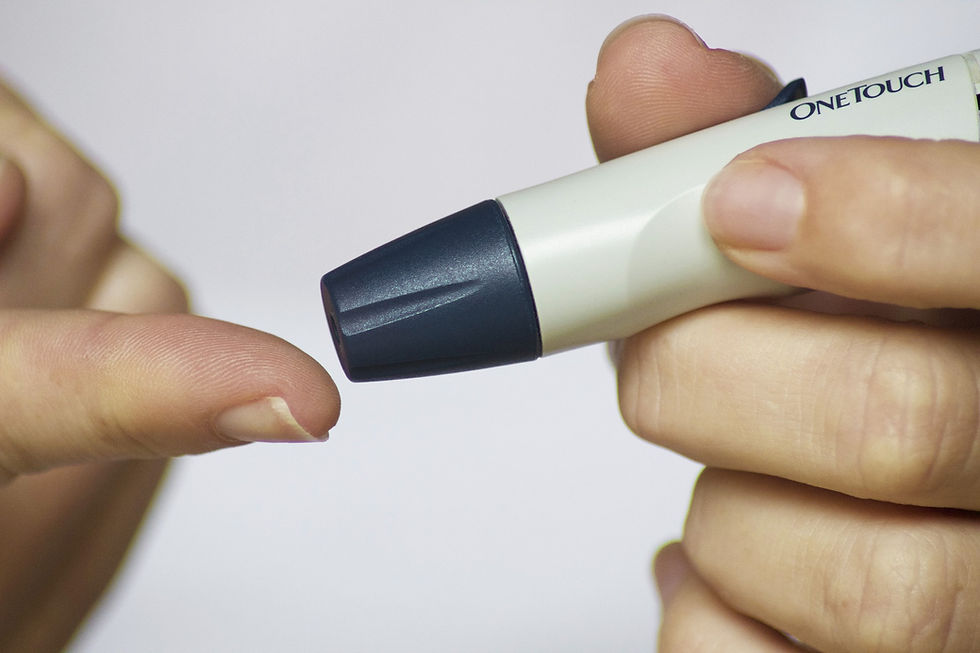
Q. What causes Diabetes?
A. Since we are talking about type 2 diabetes, it is important to understand that type 2 diabetes occurs mainly due to insulin resistance in overweight/obese individuals. Insulin is an important hormone that helps organs like the liver, skeletal muscle, and fatty tissue to take up extra glucose and save it as a source of energy for the future. When these organs fail to respond to insulin (either due to family history or certain environmental risk factors) the blood glucose levels remain high eventually leading to diabetes.

Q. What causes insulin resistance?
A. Simple answer is obesity/excess weight, especially around our belly and waist region. So any condition that causes weight gain can virtually lead to insulin resistance in the long run. PCOS is a good example. Of course, our ethnicity and genetics make some of us more prone than others, to become diabetic.

Q. How does one gets diagnosed with Diabetes?
A. It is important to understand one's family history and know they need to make necessary lifestyle changes from early on. Yearly screening is very important to get diagnosed early as you may not have any symptoms to begin with especially in type 2 diabetes. Unexplained fatigue should raise suspicion in an individual with risk factors.
Generally, a simple random blood sugar test will give an idea of whether someone needs to get tested for fasting and postprandial (after food) blood glucose levels or not.
Fasting blood glucose levels >126 mg/dl or HbA1c (tells about glycemic control of last 3 months) > 6.5% is enough to label someone as diabetic.

Q. What is pre-diabetes?
A. It is virtually a state of consistently increased blood glucose levels but the body is able to compensate for that by increasing insulin secretion. However, it often precedes frank type 2 diabetes if not controlled in time. A fasting blood glucose level between 100 to 125 mg/dl or HbA1c between 5.7% to 6.4% is considered a state of pre-diabetes.

Q. What can be done to prevent the state of insulin resistance?
A. Active lifestyle. Period. WHO recommends 60 minutes of moderate exercise at least 5 days a week to take care of insulin resistance. Strength training is very effective in combating insulin resistance. Of course, eating healthy and sleeping well is just as important. Including more plant-based food, avoiding processed food and sugar will inadvertently take care of insulin resistance in type 2 diabetes.

Q. How am I doing and what is currently working for me?
A. I have never been better. Getting diagnosed with diabetes was like a wake-up call I needed all my life. I am writing this article to let you know that there's so much you can do to prevent this from happening at all but also if you are already diagnosed with type 2 diabetes, THAT IT IS NOT THE END OF THE WORLD. I am trying to stay active as much as possible, working out every single day, and eating everything except for sugar and dairy. Avoiding rice and the wheat first couple of months personally helped to a great extent in reducing weight. I am 12 Kgs down than when I was diagnosed and my blood sugar levels are well within the limit.

So that's it. I hope you found this post useful. The most important thing to keep in mind is consulting your doctor/endocrinologist when you get diagnosed and following their advice religiously plus getting the right information is crucial. Don't fall victim to the useless detoxifying drinks people are trying to sell you online to reverse your diabetes.
If you have any questions I would be happy to answer them below in the comments. Thank you for being here and giving this a read, if I am able to educate and empower you in any way that means the world to me :)
Meanwhile, you can watch my video to further understand what it is that's making you diabetic?
Enjoy and happy learning!
- Supriya Tiwari
- May 30, 2021
- 2 min read
Who doesn't like a great study tip? I have always been a sucker for them. It's like one of those 'feel good' things in life for me 🤩 However anyone who has spent a significant part of their lives mastering this art will tell you it's a skill that is acquired over time and the good ones can literally change the game for you!
As a resident, being smart about fetching the right information in as little time as possible is critical, so here's some of my favorite tips and tricks:
Feynman's Technique - If you want to learn something better, explain it. As simple as that. Find someone to teach and you are already halfway there.
Takedown notes - Whenever you can, wherever you can. Writing things down always helps. Concise a larger chunk of information into smaller digestible bits.
Find your best slot - For some reason, morning works wonders for me. I love the quiet, the breeze that wakes me up right away, coffee, and the solid 3-4 hours of laser focussed study sessions.
One day at a time - give yourself daily tasks. Decide what you want to finish 'today', plan only for that particular day! Don't make unrealistic and unnecessary plans for the whole month. Long-term goals don't work for me personally.
Rewarding yourself - if you want to be efficient you have to allow yourself some leisure. I treat myself with a favorite cup of cold coffee the week I am on top of my everyday schedule. Tell me how would you like to reward yourself?
Well, those were my top 5 study tips that completely changed the game for me. I hope they help you too. Let me know about your favorite study tips?